Why a Mind Map Should Be the First Thing You Build When Studying Something New
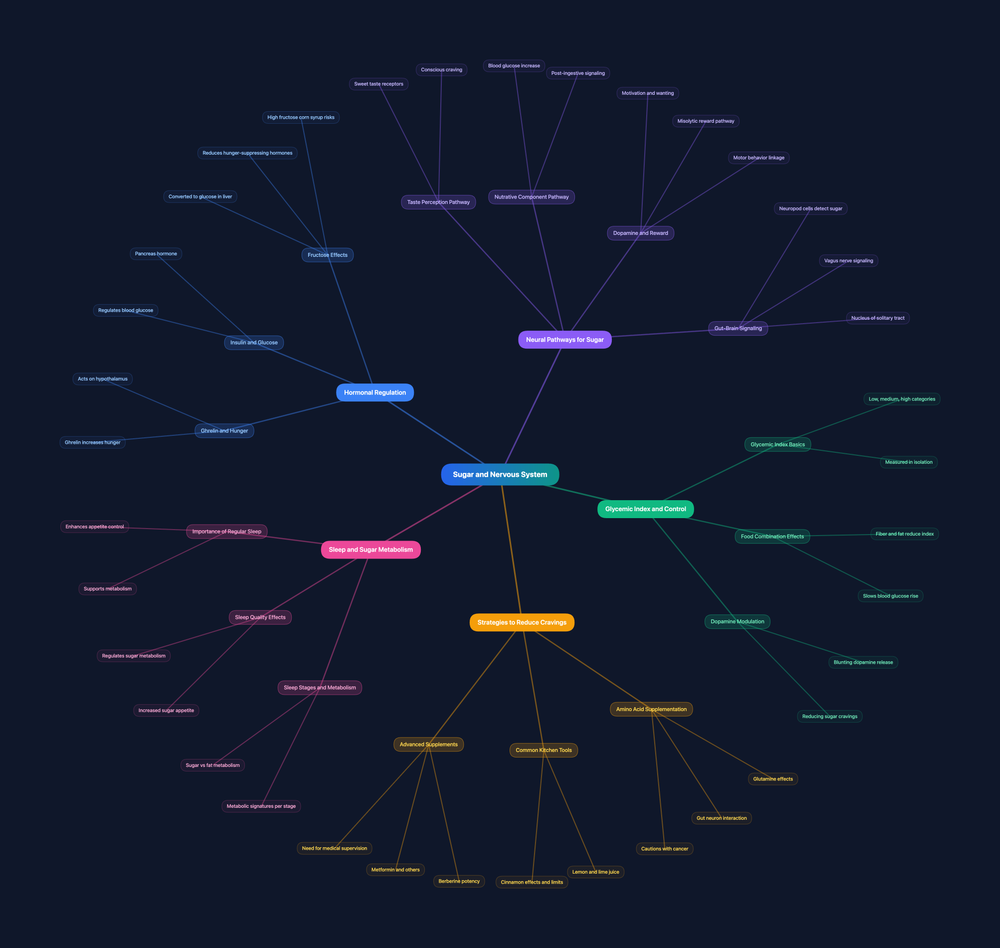
When most students read a textbook or watch a lecture, they try to memorize as they go. They highlight sentences, copy definitions, write down dates. By the end they have a page full of disconnected facts and no clear sense of how any of it fits together. Then they wonder why the information won't stay in their head.
The problem is sequence. You cannot memorize material you have not yet understood structurally. Your brain does not store facts in isolation. It stores them as a network of connections between neurons. Every time you learn something new, your brain is physically building links between that incoming information and what you already know. The more connections a piece of information has, the easier it is to retrieve. A single isolated fact with no links to anything else is almost impossible to hold onto long term.
A mind map works because it builds those connections deliberately, before you try to retain anything specific.
Read first, map as you go
The right way to use a mind map is not to draw it before you read, and not to draw it after. You build it while you read, as the structure of the material becomes clear to you.
Go through the material at full depth without trying to memorize anything. Your only job on the first pass is to understand how things relate to each other. What are the main themes? What causes what? What is a subcategory of what? As those relationships become visible, you put them on the map.
Start with the central subject in the middle. As you read, add branches for each major theme or category you encounter. When you find a concept that belongs under one of those themes, it becomes a sub-branch. When you find a detail that belongs under that concept, it goes one level deeper.
By the time you finish reading, you have a complete picture of how the subject is organized. Not the facts yet. The skeleton.
Why the skeleton comes before the details
Your brain needs a structure to attach information to. When you try to memorize dates, names, and numbers before you understand the broader picture they belong to, you are asking your brain to store things with no anchor. They drift and disappear.
But when you already know that a date belongs to a specific event, that event belongs to a specific phase, and that phase belongs to a specific cause-and-effect chain, the date has four connection points in your memory instead of zero. It is held in place by context. That is the difference between reading something three times and still forgetting it, versus reading it once and retaining it because you understood where it lived before you tried to keep it.
The mind map creates those shelves. Once they exist, the details fill them naturally.
The second pass is where memorization happens
After your map is built and you can see the full structure of the subject, go back through the material with a different goal. Now you are not looking for structure. You are filling in the detail on each branch: the specific dates, the key names, the important numbers, the precise definitions.
Because the structure already exists in your head, each detail slots into a place you already know. You are not holding it in the air. You are placing it on a shelf that was built during the first pass. This is why students who map before they memorize consistently retain more with less repetition.
Where VidLearnAI fits in
If your source material is a YouTube lecture, a podcast, or any video, reading the transcript and building a map manually takes significant time. VidLearnAI generates the mind map for you automatically from any video URL. It processes the content and produces a visual map of the structure: the main themes, how they branch, how the concepts connect.
Use that map as your starting structure. Read through the transcript or summary to understand how things build on each other, then use the flashcards and quiz to fill in and test the detail layer. You are studying in the right order without spending an hour building the skeleton by hand.
The free trial gives you 30 minutes of video processing with no credit card required.